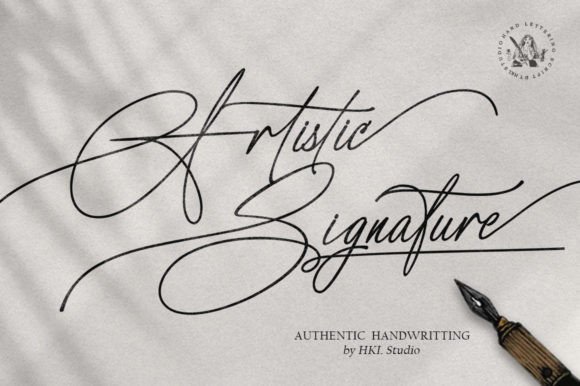
Artistic Signature: Elegant Script Font
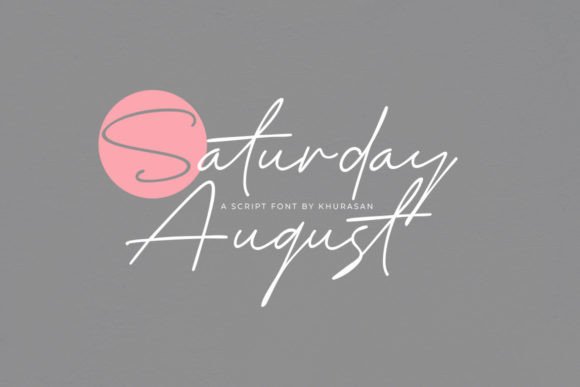
Typography is often the silent ambassador of a brand or a personal project. It speaks before a single word is read, setting the tone for everything that follows. Artistic Signature is a luxurious script font designed to capture attention through its artistic flair and refined execution. With elegant, flowing curves that evoke a sense of sophistication and class, this typeface bridges the gap between traditional calligraphy and modern digital design. Its unique hand-drawn style, characterized by varying stroke widths, makes it an ideal choice for branding, invitations, and high-end visual compositions where personality and prestige are paramount.
Understanding the Aesthetic Appeal
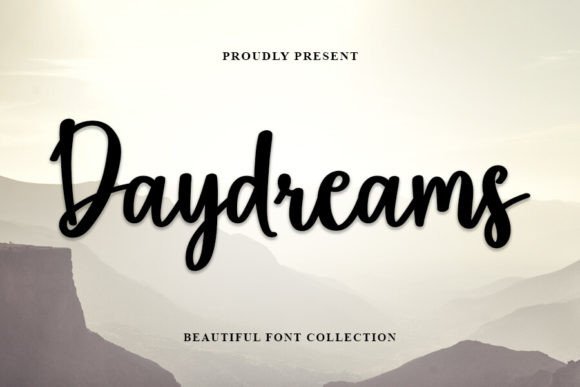
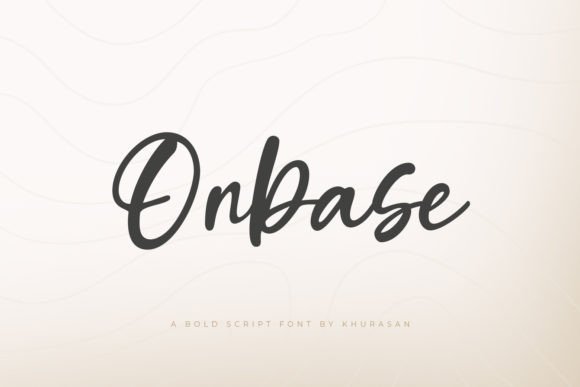
At its core, Artistic Signature is more than just a collection of letters; it is a study in movement and balance. The font mimics the natural pressure variations of a nib pen or brush, creating a dynamic rhythm across the page. This organic quality is what distinguishes it from rigid, geometric sans-serifs or standard serif fonts. For designers and creators, this means the text itself becomes a visual element, not just a vehicle for information.
The varying stroke widths are crucial to its identity. Thick downstrokes provide weight and stability, while delicate upstrokes add grace and lightness. This contrast creates a visual hierarchy within individual words, guiding the eye smoothly from one character to the next. When used correctly, Artistic Signature adds a layer of emotional resonance to a design, suggesting luxury, care, and attention to detail.
Perspectives for Brand Builders and Entrepreneurs
For small business owners and entrepreneurs, particularly those in lifestyle, beauty, fashion, or wellness sectors, typography is a critical component of brand identity. Artistic Signature offers a way to establish a premium feel without the cost of custom lettering. When a logo or header uses this font, it immediately signals to consumers that the brand values elegance and exclusivity.
Consider a boutique skincare line launching a new serum. Using a clean, minimal sans-serif might convey clinical efficiency, but pairing product names with Artistic Signature on packaging can evoke a sense of indulgence and self-care. The font’s fluidity suggests a personal touch, making mass-produced items feel bespoke. However, entrepreneurs must balance this aesthetic with readability. While the font is stunning for logos and short taglines, it may not be suitable for long-form body text on websites or product descriptions, where clarity is king.
Practical Application for Marketers
Marketers often struggle to make digital ads stand out in crowded feeds. Artistic Signature can serve as a powerful hook in social media graphics, especially for campaigns centered around special events, limited editions, or luxury offerings. Because the font has a distinct personality, it helps create memorable visuals. A wedding planner using this font in Instagram stories, for example, can instantly communicate the romantic and upscale nature of their services.
- Brand Consistency: Use the font sparingly in headers and logos to maintain a cohesive luxury aesthetic.
- Contrast: Pair Artistic Signature with simple, neutral sans-serif fonts to ensure legibility and visual balance.
- Emotional Connection: Leverage the font’s humanistic qualities to build trust and warmth with potential clients.
Value for Designers and Creative Professionals
Graphic designers and freelancers evaluate fonts based on versatility, technical quality, and licensing flexibility. Artistic Signature appeals to professionals because it offers a high-quality hand-drawn look without the inconsistencies that sometimes plague amateur script fonts. The kerning and spacing are typically optimized to reduce the need for manual adjustment, saving time during the design process.
For experienced users, the font’s ligatures and alternate characters are significant assets. These features allow designers to customize connections between letters, ensuring that words flow naturally and avoid awkward gaps or overlaps. This level of control is essential for high-end projects like magazine spreads, book covers, or corporate annual reports where every pixel matters. The font’s ability to scale well without losing definition also makes it reliable for both print and digital mediums.
Enhancing Wedding and Event Stationery
One of the most common use cases for Artistic Signature is in the wedding and event industry. Invitation designers rely on script fonts to convey the formality and joy of the occasion. The font’s elegant curves align perfectly with the traditional expectations of wedding stationery. Whether printed on heavy cardstock with foil stamping or displayed on a digital save-the-date website, the font adds a celebratory and sophisticated touch.
For hobbyists designing their own invitations, Artistic Signature provides a professional result that might otherwise require hiring a calligrapher. The key is to keep the text minimal. Names, dates, and venue details look exquisite in this script, while additional information should be set in a complementary, easier-to-read typeface. This approach ensures the design remains functional while retaining its artistic impact.
Educational and Editorial Uses
Educators and publishers may find Artistic Signature useful in specific contexts, such as history lessons on calligraphy, literature covers, or certificates of achievement. In educational materials, the font can serve as an example of modern script typography, helping students understand the principles of letterform construction and visual rhythm. It demonstrates how digital tools can replicate traditional artistic techniques.
In editorial design, such as magazine headers or chapter titles, the font can break the monotony of standard text layouts. It adds a decorative element that draws readers into the content. However, educators and publishers must prioritize accessibility. Ensuring that the font size is large enough and that there is sufficient contrast against the background is vital for readers with visual impairments. Using Artistic Signature for decorative purposes rather than informational content helps maintain inclusivity.
Making the Right Choice for Your Project
Deciding whether Artistic Signature is the right fit depends on your specific goals and constraints. Beginners should focus on mastering the basics of pairing this script with simpler fonts. Overusing elaborate scripts can clutter a design and reduce readability. Start by using the font for single words or short phrases to see how it interacts with other elements.
Professionals should consider the commercial value and long-term usefulness of the font. Does it align with the brand’s long-term identity? Is it versatile enough to work across various media? For consumers and hobbyists, the decision may come down to personal taste and the emotional response the font evokes. If you are creating a personal blog, a portfolio, or a gift, ask yourself if the font’s sophistication matches the message you want to send.
- Define the Purpose: Identify if the project requires a formal, luxurious, or artistic tone.
- Check Legibility: Ensure the text remains readable at different sizes and on different screens.
- Test Pairings: Experiment with different secondary fonts to find a harmonious combination.
- Review Licensing: Confirm that the font license covers your intended use, whether personal or commercial.
Ultimately, Artistic Signature is a tool that empowers users to add a touch of elegance to their work. Whether you are a marketer crafting a high-end campaign, a bride designing her wedding invites, or a designer seeking a refined script for a client, this font offers the sophistication and class needed to elevate your visual communication. By understanding its strengths and limitations, you can use it effectively to create designs that are not only beautiful but also meaningful and impactful.