Polynesian Tribal: Bold SVG Typography
Typography is more than just legible text; it is a vessel for culture, emotion, and identity. When you choose a typeface like Polynesian Tribal, you are not merely selecting letters. You are invoking the rich visual heritage of the Pacific Islands. This font captures the essence of traditional carving, translating the intricate patterns of wood and stone into a digital format that commands attention. For designers, marketers, and creators looking to infuse their projects with strength and authenticity, understanding the unique properties of this typeface is essential.
The Essence of Pacific Design
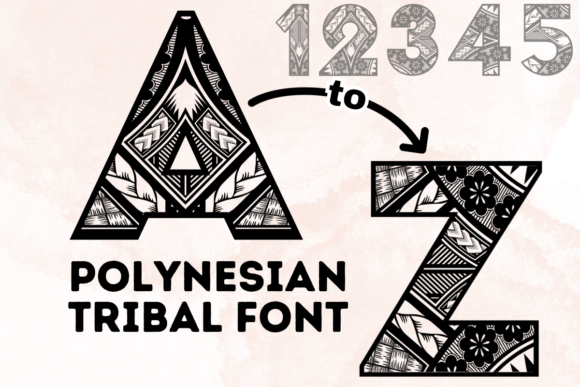
The inspiration behind Polynesian Tribal runs deep. It draws directly from the art and symbols prevalent across Polynesian cultures, including Maori, Samoan, Hawaiian, and Marquesan traditions. These cultures have long used tattooing (tatau) and carving to tell stories, denote status, and protect spiritual well-being. The font mimics these ancestral practices by featuring thick, solid letters that resemble shapes carved into hard materials.
Unlike standard sans-serif or serif fonts that prioritize uniformity, this typeface embraces irregularity and weight. Each character feels substantial, as if chiseled by hand. This aesthetic choice is not accidental. It reflects the durability and permanence associated with tribal art. When you use Polynesian Tribal, you are leveraging a design language that communicates resilience, heritage, and boldness. It is ideal for projects where subtlety is not the goal, but rather, impact is.
Technical Characteristics: The OpenType SVG Advantage
One of the most critical aspects of working with Polynesian Tribal is understanding its technical foundation. This is not a standard TrueType or OpenType font. It is an OpenType SVG font. This distinction is vital for practical implementation.
SVG (Scalable Vector Graphics) fonts allow for multi-color glyphs and complex vector shapes within a single character. In the context of Polynesian Tribal, this means the intricate details, textures, and layered effects that mimic carved wood can be preserved with perfect clarity at any size. However, this advanced capability comes with specific software requirements.
- Adobe Photoshop: Fully supports OpenType SVG features, allowing you to scale and edit the text while maintaining its complex vector integrity.
- Adobe Illustrator: Ideal for logo design and branding work, offering precise control over the individual paths and colors within the glyphs.
- Inkscape: A powerful open-source alternative that supports SVG fonts, making it accessible for freelancers and hobbyists on a budget.
It is important to note that many standard word processors, web browsers, and older design tools do not support OpenType SVG fonts. If you attempt to use Polynesian Tribal in Microsoft Word or a basic HTML CSS stack without proper fallbacks, the text may not render correctly, or the intricate details may be lost. Therefore, this font is best suited for static design assets, logos, posters, and digital artwork rather than body copy in documents or websites.
Practical Applications for Creators and Brands
Where does Polynesian Tribal fit in a modern design workflow? Its bold nature makes it versatile for specific high-impact uses. Here are several realistic scenarios where this font adds significant value.
Branding and Identity
For businesses rooted in surf culture, fitness, outdoor adventure, or Pacific heritage, Polynesian Tribal can serve as a cornerstone of brand identity. Imagine a surf shop logo where the brand name is rendered in these thick, carved-style letters. The immediate association is with strength, ocean power, and tradition. It helps differentiate the brand from competitors using generic, clean corporate fonts.
Event Promotion and Posters
Event organizers often struggle to create visuals that stand out in a crowded social media feed. A poster for a music festival, a martial arts tournament, or a cultural celebration can leverage Polynesian Tribal for headlines. The heavy weight of the font ensures readability from a distance, while the stylistic flair adds excitement and energy. It works particularly well when paired with vibrant, contrasting backgrounds that highlight the "carved" effect of the letters.
Educational and Cultural Projects
Educators and publishers creating materials about Pacific Island history, anthropology, or art can use Polynesian Tribal to add visual context. While it should not be used for long paragraphs due to its decorative nature, it is excellent for chapter headings, pull quotes, or section dividers. It helps students and readers visually connect the content with the cultural subject matter, enhancing engagement and retention.
Digital Art and Merchandise
Freelance designers creating merchandise such as t-shirts, hoodies, or stickers will find Polynesian Tribal invaluable. The vector-based nature of OpenType SVG ensures that the design remains crisp whether printed on a small sticker or a large banner. The bold lines translate well to screen printing and embroidery, reducing production errors associated with thin, delicate fonts.
Maximizing Usability and Design Efficiency
To get the most out of Polynesian Tribal, consider these practical tips for implementation:
- Pairing is Key: Because the font is so dominant, pair it with simple, clean sans-serif fonts for secondary text. This creates balance and prevents visual clutter. Let Polynesian Tribal be the hero, not the entire cast.
- Color Contrast: The intricate details of the SVG glyphs shine best with high contrast. Use light colors on dark backgrounds or vice versa. Avoid low-contrast combinations that might obscure the "carved" textures.
- Software Compatibility Check: Always verify your output format. If you are designing in Adobe Illustrator, ensure you export as PDF or SVG to preserve the vector data. If you need a raster image for web use, export at a high resolution to maintain edge sharpness.
- Cultural Respect: When using fonts inspired by specific cultures, approach the design with respect. Avoid using Polynesian Tribal in contexts that might trivialize or misrepresent Polynesian heritage. Authenticity matters to audiences who value cultural integrity.
Why Choose Polynesian Tribal?
In a digital landscape saturated with minimalist, geometric fonts, Polynesian Tribal offers a refreshing departure. It brings texture, history, and personality to design projects. For professionals seeking to enhance user engagement through distinctive visuals, this font provides a ready-made solution. It reduces the time needed to create custom lettering from scratch while delivering a bespoke, handcrafted look.
Moreover, the efficiency of using an OpenType SVG font cannot be overstated. Instead of manually drawing tribal patterns around standard text, designers can type directly and achieve complex results instantly. This streamlines the creative process, allowing for faster iteration and experimentation. Whether you are a marketer launching a new campaign or a hobbyist creating personal art, Polynesian Tribal empowers you to communicate with boldness and clarity.
Ultimately, the value of Polynesian Tribal lies in its ability to bridge tradition and technology. It respects the artistic legacy of the Pacific Islands while utilizing modern font standards to deliver versatility and quality. By understanding its technical constraints and leveraging its aesthetic strengths, you can create compelling, memorable designs that resonate with your audience.