Quick Marker: The Versatile Handwritten Font
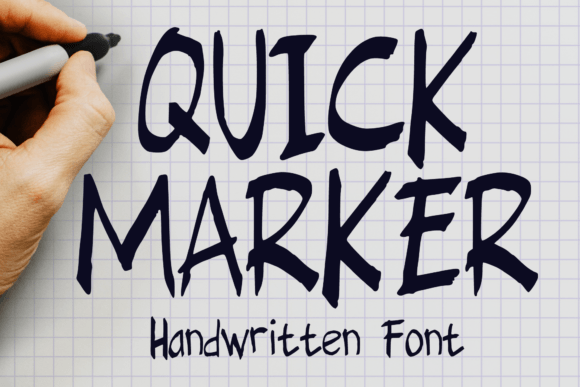
In the vast landscape of digital typography, finding a typeface that balances personality with readability can feel like searching for a needle in a haystack. Designers and creators often struggle to bridge the gap between professional polish and human warmth. This is where Quick Marker enters the conversation. It is not just another font; it is a design tool that mimics the spontaneous energy of a marker pen, offering a skinny, handwritten aesthetic that feels both immediate and authentic.
Whether you are designing a brand identity from scratch or adding a personal touch to a holiday card, understanding the nuances of this typeface can significantly elevate your work. Its appeal lies in its simplicity and its ability to adapt to various contexts without losing its core character. By exploring how different users interact with this font, we can better understand its practical value in modern design workflows.
Understanding the Aesthetic Appeal
At its core, Quick Marker is defined by its slender strokes and casual rhythm. Unlike bold, heavy display fonts that demand attention through volume, this typeface whispers. It suggests intimacy and approachability. The "skinny" profile means it occupies less visual weight, allowing it to sit comfortably alongside other design elements without overwhelming them. This makes it an excellent choice for layouts where white space and balance are prioritized over brute force.
The handwritten nature of the font introduces imperfections that are actually its greatest strength. In a digital world saturated with perfect geometric shapes and sterile sans-serifs, the slight variations in line width and letter connection provide a sense of humanity. For brands and creators aiming to build trust and relatability, these subtle organic details serve as a visual cue that there is a person behind the product or message.
Perspectives for Different Creators
The utility of Quick Marker shifts depending on who is holding the mouse. A beginner designer might appreciate it for its ease of use, while a seasoned professional might value its specific stylistic niche. Let’s look at how different audiences evaluate and utilize this resource.
For Entrepreneurs and Small Business Owners
If you run a small business, particularly in sectors like artisanal goods, coaching, or lifestyle services, your brand voice needs to feel accessible. Quick Marker offers a cost-effective way to inject personality into your marketing materials without hiring a custom lettering artist.
- Packaging: Use it for product labels on handmade soaps, candles, or specialty foods. The handwritten look reinforces the "crafted by hand" narrative.
- Social Media: Overlay quotes or promotional text on Instagram stories. The casual style stops the scroll because it feels less like an ad and more like a note from a friend.
For business owners, the priority is often speed and versatility. You need a font that works on a business card, a website header, and a thank-you note. Quick Marker’s flexibility allows it to span these mediums while maintaining brand consistency.
For Professional Designers and Marketers
Experienced designers know that context is everything. While Quick Marker is playful, it requires careful pairing. Professionals evaluate fonts based on their legibility and how they interact with secondary typefaces. Because Quick Marker is a display font, it should not be used for long paragraphs of body text. Instead, marketers use it for headlines, call-to-action buttons, or short emphatic statements.
Consider a campaign for a summer festival. A marketer might pair Quick Marker with a clean, neutral sans-serif. The contrast between the structured sans-serif and the loose, flowing marker script creates visual tension that is engaging to the eye. For professionals, the value lies in this combinatory potential. It is a tool for hierarchy, guiding the viewer’s eye to the most important information first.
For Educators and Content Creators
Teachers, bloggers, and educational content creators often need to make information feel less intimidating. Textbooks and formal documents can feel rigid, but adding a handwritten element can soften the tone. Quick Marker is ideal for highlighting key terms, writing marginalia, or creating engaging worksheet headers.
For bloggers, using this font in featured images or pin designs for Pinterest can increase click-through rates. The casual touch suggests that the content inside is easy to digest and friendly. It breaks down the barrier between the expert and the learner, making complex topics feel more approachable.
Practical Applications Across Industries
The versatility of Quick Marker means it transcends specific industries. However, its effectiveness depends on matching the font’s personality to the project’s goal. Here are some concrete examples of how it performs in real-world scenarios.
Apparel and Merchandise
T-shirt design relies heavily on typography. A graphic tee with a witty phrase or an inspirational quote benefits immensely from a handwritten style. Quick Marker’s skinny profile ensures that longer phrases do not become bulky or unreadable when printed on fabric. It works particularly well for minimalist designs where the text is the primary graphic element.
Greeting Cards and Stationery
In the realm of paper goods, authenticity is currency. A wedding invitation, a birthday card, or a save-the-date notice feels more special when it looks like it was written by hand. While actual handwriting varies in quality, Quick Marker provides a consistent, polished version of that personal touch. It allows stationers to produce high volumes of personalized-looking items without the time commitment of actual calligraphy.
Stickers and Posters
Sticker culture thrives on expression. Whether for laptops, water bottles, or planners, stickers often feature short, punchy messages. The quick, fluid lines of this font mimic the speed of a thought captured on paper. For poster design, especially for local events, workshops, or community gatherings, the font conveys a sense of grassroots energy and informality that formal types cannot achieve.
Evaluating Fit: Is This Font Right for You?
Before downloading or purchasing any typeface, it is crucial to assess whether it aligns with your specific needs. Quick Marker is not a universal solution. It excels in casual, friendly, and creative contexts but may fail in corporate, legal, or highly technical environments.
Ask yourself the following questions:
- What is the tone of my project? If you aim for serious, authoritative, or luxurious, a skinny handwritten font might undermine your message. If you want friendly, approachable, or creative, it is a strong candidate.
- How much text will I use? This font is best for short bursts of text. If you need to set paragraphs, look elsewhere.
- Who is my audience? Younger demographics and creative communities often respond positively to handwritten aesthetics. Traditional or older demographics might prefer clearer, more conventional typefaces.
For hobbyists and beginners, the learning curve is minimal. You do not need advanced knowledge of kerning or leading to make Quick Marker look good. Its inherent irregularity forgives minor alignment errors. For professionals, the challenge lies in restraint—knowing when to use it and when to let other elements take center stage.
Maximizing Long-Term Usefulness
To get the most out of Quick Marker, consider building a small library of complementary assets. Pair it with a robust sans-serif family for body text. Experiment with color; since the strokes are thin, high-contrast colors work best to ensure legibility. Avoid placing it over busy backgrounds unless you add a subtle drop shadow or outline to separate the text from the image.
Ultimately, the value of this font lies in its ability to humanize digital design. In an era where automation and AI generate much of our content, the imperfect, organic feel of a handwritten marker stroke reminds us of the human hand. Whether you are designing a logo for a new startup, creating a heartfelt card for a loved one, or laying out a blog post, Quick Marker offers a simple yet powerful way to connect with your audience on a personal level. It is not just about aesthetics; it is about communication, tone, and the subtle art of making people feel welcome.