Valentine Dog: A Practical Guide to Using This Playful Decorative Font
When selecting typography for creative projects, the emotional resonance of a typeface is often just as critical as its legibility. Valentine Dog emerges in this landscape as a distinctively crafted decorative font that balances whimsy with functional design. Unlike standard sans-serif or serif options that prioritize neutrality, this typeface is engineered to evoke warmth, nostalgia, and playfulness. For designers, crafters, and small business owners, understanding the specific utility of Valentine Dog is essential for determining whether it aligns with their project goals.
This article explores the characteristics of Valentine Dog, evaluates its best-use cases, and compares it against broader typographic categories to help you make an informed decision about your design resources.
Understanding the Design Philosophy of Valentine Dog
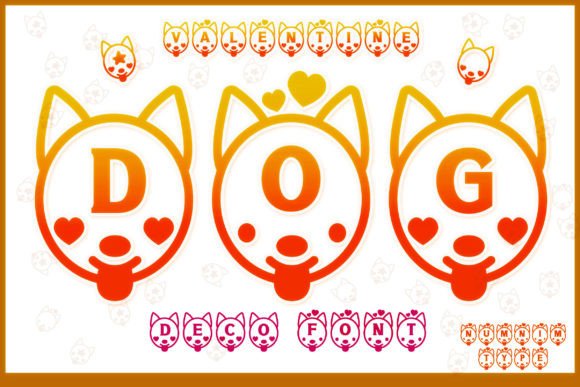
At its core, Valentine Dog is defined by its hand-drawn aesthetic. The characters feature irregular strokes, rounded terminals, and a casual baseline that mimics natural handwriting rather than mechanical precision. This "imperfect" quality is intentional, designed to create a sense of approachability and human connection.
The font’s name suggests a thematic leaning toward affection and companionship, which is reflected in its soft curves and friendly proportions. However, its application extends beyond romantic contexts. The playful nature of the glyphs makes it suitable for any project requiring a lighthearted, non-corporate tone. Whether used for branding a pet care service or designing a children’s birthday invitation, the font communicates accessibility and joy.
One of the technical strengths of Valentine Dog is its PUA (Private Use Area) encoding. For users unfamiliar with typographic terminology, PUA encoding allows access to special characters, ligatures, and swashes directly through standard character maps in design software. This means you do not need complex scripting or advanced OpenType features to access alternative glyphs. You can simply select the desired variation from your font panel, streamlining the workflow for both novice and experienced designers.
Comparing Decorative Fonts: Where Valentine Dog Fits
To evaluate the value of Valentine Dog, it is helpful to compare it with other common typographic styles used in similar contexts. Most decorative fonts fall into three primary categories: script fonts, display sans-serifs, and novelty themed fonts. Here is how Valentine Dog compares:
- Vs. Traditional Script Fonts: Script fonts often mimic cursive handwriting with connected letters. While elegant, they can suffer from legibility issues, especially at smaller sizes or on textured materials. Valentine Dog, being a disconnected display font, maintains higher readability while retaining a hand-crafted feel. It is a better choice when quick comprehension is necessary, such as on product labels or event signage.
- Vs. Standard Display Sans-Serifs: Clean, geometric sans-serifs are versatile but can feel cold or generic. Valentine Dog offers personality without sacrificing the structural clarity of a sans-serif. If your goal is to stand out in a crowded visual field—such as on a social media graphic or a retail display—this font provides the distinctiveness that standard weights lack.
- Vs. Highly Thematic Novelty Fonts: Some novelty fonts are so heavily stylized (e.g., made entirely of balloons or bones) that they become difficult to read after a few words. Valentine Dog strikes a balance; it is thematic enough to set a mood but structured enough to be used for short sentences or headlines without confusing the reader.
This positioning makes Valentine Dog a versatile middle ground. It offers more character than a utilitarian font but more practicality than an overly artistic script.
Ideal Use Cases and Applications
Because of its specific aesthetic traits, Valentine Dog performs best in medium-to-large sizes where its details can be appreciated. Below are several practical applications where this font excels:
Print-on-Demand Products
The e-commerce market for personalized goods relies heavily on typography that feels custom-made. Valentine Dog is particularly effective for:
- Mugs and Tumblers: The rounded characters wrap well around cylindrical surfaces, maintaining visual balance.
- T-Shirts and Apparel: Its bold stroke weight ensures visibility on fabric, even when printed in single colors.
- Stickers and Decals: The playful shapes lend themselves well to die-cut designs, allowing the text itself to act as a graphic element.
Event Stationery and Invitations
For Valentine’s Day events, Galentine’s parties, or wedding-related ancillary items (like welcome bags or favor tags), Valentine Dog provides an immediate tonal cue. It suggests celebration without the formality of traditional wedding scripts. When paired with a simple, clean secondary font for body text, it creates a professional yet inviting hierarchy.
Digital Content and Social Media
In digital spaces, attention spans are short. Valentine Dog’s unique shapes catch the eye in Instagram stories, Pinterest pins, or YouTube thumbnails. Its PUA-encoded swashes allow creators to add flourishes to specific letters, making each graphic feel unique and reducing the repetitive look that can occur when using standard system fonts.
Limitations and Tradeoffs to Consider
While Valentine Dog is a strong asset for specific projects, it is not a universal solution. Recognizing its limitations is crucial for effective design.
Legibility at Small Sizes: Like most decorative fonts, Valentine Dog loses clarity when scaled down. It is not suitable for body copy, legal disclaimers, or detailed instructions. If you attempt to use it for paragraphs of text, the irregular letterforms will cause eye fatigue for the reader. Always pair it with a highly legible sans-serif or serif font for supporting text.
Tone Mismatch: The font’s inherent playfulness makes it inappropriate for serious, corporate, or somber contexts. Using Valentine Dog for a financial report, a medical brochure, or a formal obituary would create a cognitive dissonance that undermines the message. It is strictly a lifestyle and consumer-facing typeface.
Overuse of Swashes: The availability of alternate glyphs via PUA encoding is a benefit, but it can also be a trap. Over-decorating text with excessive swashes can reduce readability and make the design look cluttered. Best practice suggests using alternates sparingly—perhaps on the first or last letter of a word—to maintain balance.
Making the Decision: Is Valentine Dog Right for Your Project?
Choosing the right font involves weighing aesthetic desires against functional requirements. To determine if Valentine Dog is the appropriate choice, consider the following decision factors:
- What is the primary emotion you want to evoke? If the answer is joy, love, playfulness, or comfort, this font is a strong candidate. If the desired emotion is authority, luxury, or minimalism, look elsewhere.
- How much text will you be setting? If you are designing a headline, logo, or short phrase, Valentine Dog is ideal. If you need to set more than two sentences, you will need a complementary font for the bulk of the content.
- What is the production method? For digital screens and high-quality printing, the font renders beautifully. For low-resolution embroidery or extremely small stamping, test a sample first to ensure the finer details of the characters remain visible.
- Do you need customization ease? If you value the ability to quickly swap out letter variants without technical hurdles, the PUA encoding of Valentine Dog offers a significant workflow advantage over fonts that require manual ligature insertion.
Integrating Valentine Dog into Your Design Toolkit
For professionals building a diverse typography library, Valentine Dog serves as a specialized tool rather than a workhorse. It complements neutral fonts by adding personality where needed. When integrating it into your projects, consider pairing it with:
- Geometric Sans-Serifs: Fonts like Montserrat or Futura provide a clean, modern contrast that grounds the playfulness of Valentine Dog.
- Classic Serifs: A traditional serif can add a touch of elegance, creating a "modern vintage" look that is popular in boutique branding.
Ultimately, the value of Valentine Dog lies in its ability to humanize digital and print designs. In an era where automation and AI-generated content are prevalent, typefaces that retain a hand-crafted, organic feel help brands connect with audiences on a personal level. By understanding its strengths, respecting its limitations, and applying it in appropriate contexts, you can leverage this font to create engaging, memorable, and emotionally resonant designs.
Whether you are designing a seasonal campaign, launching a new product line, or creating personal keepsakes, evaluating your typographic choices with this level of scrutiny ensures that your final output is not only visually appealing but also strategically sound.